
Planning Custom Kitchen Cabinets for a New Home in the Philippines
A beautiful home begins with thoughtful planning. And while architecture, flooring, lighting, and furniture often receive early attention, kitchen cabinetry deserves an equally considered place in the design process.
For homeowners building a new residence in the Philippines, planning custom kitchen cabinets before construction is complete can make a meaningful difference to how the finished space looks, feels, and functions.
From contemporary houses in Makati and Bonifacio Global City to family residences in Ayala Alabang, Quezon City, and elsewhere in the Philippines, the most successful kitchens are rarely the result of cabinetry decisions made at the last minute.
They emerge from a clear understanding of the home, its architecture, and the people who will live in it.
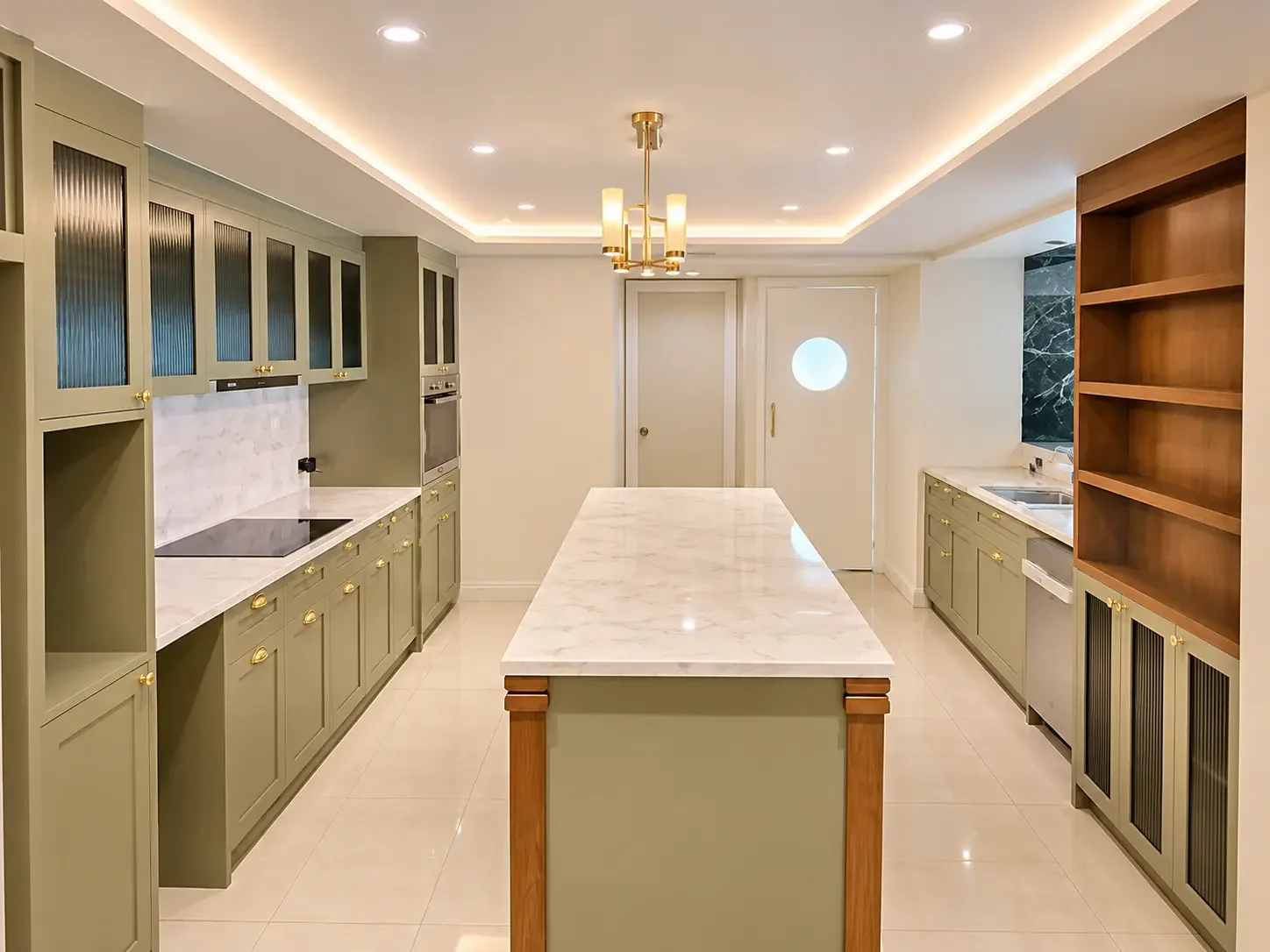
When Should You Start Planning Kitchen Cabinets for a New Home?
Ideally, kitchen cabinetry should be considered during the architectural or interior design stage, before major electrical and plumbing provisions are finalized.
This does not mean every cabinet finish or decorative detail must be decided immediately. Rather, the kitchen's essential requirements should be understood early enough to inform the overall design.
These include the location of major appliances, the dimensions of the cooking and preparation areas, storage requirements, and the relationship between the kitchen and adjacent living spaces.
Early coordination can also help reduce the need for revisions once construction is underway.
For homeowners exploring different approaches, CKC's Kitchen Collection offers inspiration for custom and semi-modular kitchen cabinets designed for Philippine residences.
1. Begin With the Way Your Household Lives
Before considering cabinet colors or door profiles, think about how the kitchen will be used.
A home designed for frequent entertaining may benefit from a generous island, concealed appliance storage, and an elegant connection to the dining area.
For a family that cooks regularly, accessible drawers, dedicated pantry storage, and ample preparation surfaces may be more important.
Some larger Philippine residences incorporate both a show kitchen and a separate service kitchen. Each serves a distinct purpose and may require different storage configurations, work surfaces, and materials.
The objective is not simply to install more cabinets. It is to create a kitchen that supports daily routines naturally.
When kitchen cabinetry is planned around actual habits, beauty and practicality become part of the same design.
2. Coordinate Cabinetry With Your Architect and Interior Designer
A new home involves many design decisions that influence one another.
Ceiling heights affect the proportions of tall cabinets. Window positions determine available storage space. Electrical outlets and plumbing provisions influence appliance and sink placement.
This is why coordinating cabinetry with your architect or interior designer is valuable.
A cabinetry specialist can review the proposed layout and discuss practical considerations before the space is finalized.
For example, an island may look beautifully proportioned in a rendering but require adjustments to maintain comfortable circulation. A full-height pantry may need to accommodate a structural column or an existing service provision.
By addressing these details early, the finished cabinetry can feel more integrated into the architecture.
For larger residences, this coordination may extend beyond the kitchen to wardrobes, bathroom vanities, entertainment cabinetry, and other built-in elements.
Explore how custom cabinetry can create a cohesive home interior through a considered approach to multiple spaces.
3. Finalize Appliances Before Cabinet Dimensions
One of the most practical steps in kitchen planning is identifying major appliances before cabinet dimensions are finalized.
Built-in ovens, refrigerators, dishwashers, cooktops, and range hoods each have installation and clearance requirements.
Even appliances that appear similar can vary significantly in their exact dimensions and ventilation needs.
Where possible, homeowners should provide the cabinetry team with the selected appliance models and manufacturers' specifications.
This helps determine suitable cabinet openings, appliance housings, clearances, and access points.
It is also important to coordinate the location of electrical outlets, plumbing connections, and ventilation routes with the appropriate contractors.
The result should be a kitchen where appliances appear naturally integrated, without compromising their installation or operation.
4. Understand Custom and Semi-Modular Kitchen Cabinetry
Not every new home requires exactly the same cabinetry approach.
Standard modular cabinets generally rely on predetermined unit sizes and configurations. They can work well where the layout accommodates those dimensions.
Semi-modular kitchen cabinets offer greater flexibility, allowing elements such as dimensions, configurations, finishes, and storage to respond more closely to the space.
Fully custom cabinetry can provide further personalization for particular architectural conditions or design requirements.
For a new residence, the right choice depends on the layout, desired level of customization, material preferences, and project scope.
The Canadian Kitchen Company combines semi-modular principles with customized cabinetry solutions, helping homeowners develop kitchens suited to their individual requirements.
For a more detailed comparison, read CKC's guide to modular and semi-modular kitchen cabinets in the Philippines.
5. Choose Materials With the Philippine Climate in Mind
The Philippines' warm, humid environment makes material selection an important consideration, particularly for kitchens exposed to frequent cooking, steam, and occasional water contact.
Cabinetry materials should be assessed according to where they will be installed and how the space will be used.
Wood-based boards, plywood, veneers, laminates, and painted finishes offer different aesthetic and performance characteristics.
Moisture-resistant products may be appropriate for certain applications, but no wood-based cabinet should be regarded as completely immune to prolonged water exposure.
The quality of edge sealing, installation, ventilation, and ongoing maintenance also influences performance.
Cabinets positioned near sinks and other moisture-prone areas deserve particular attention.
Homeowners should therefore discuss suitable substrates, finishes, and hardware with their cabinetry provider rather than selecting materials by appearance alone.
CKC's guide to kitchen cabinet materials and costs in the Philippines provides a starting point for comparing available options.
6. Consider the Kitchen as Part of the Entire Home
In a thoughtfully designed residence, the kitchen does not exist in isolation.
Its cabinetry may share a visual language with the dining room, pantry, home office, or adjoining living areas.
Materials and finishes need not be identical throughout the home, but a considered relationship between them can make the interiors feel more cohesive.
For example, warm wood cabinetry in the kitchen may be echoed through selected details in a nearby entertainment unit. A restrained palette can connect the pantry and service spaces without making every room feel the same.
This approach is especially relevant to larger residential projects where multiple cabinetry installations are planned together.
CKC's Dasmariñas Village cabinetry project in Makati and La Vista residence in Quezon City illustrate how cabinetry can be developed across several areas of a home.
7. Allow Sufficient Time for Design and Production
Custom kitchen cabinetry involves more than selecting a style from a catalogue.
Depending on the project, the process may include design discussions, site measurements, material selection, drawings, approvals, fabrication, delivery, and installation.
The schedule will vary according to the size and complexity of the kitchen, chosen materials, project readiness, and coordination with other trades.
Rather than relying on a universal production timeline, homeowners should request a project-specific schedule and clarify which site conditions must be completed before installation.
Early planning provides more room for considered decisions and reduces pressure to finalize important details too quickly.
For a new home, the cabinetry program should be discussed alongside the broader construction schedule.
8. Think Beyond Appearance
A beautiful kitchen should remain enjoyable to use long after the excitement of moving into a new home has passed.
Consider how drawers open, where frequently used items are stored, whether tall cabinets are accessible, and how easily surfaces can be cleaned.
Lighting also deserves attention. Under-cabinet task lighting can improve visibility over preparation areas, while discreet lighting within selected display cabinets can introduce a softer atmosphere.
Details such as drawer organization, pantry access, and concealed storage may be less noticeable in photographs, yet they contribute significantly to everyday comfort.
Ultimately, the most refined kitchens balance proportion, materiality, and function without allowing one to overwhelm the others.
Planning Custom Kitchen Cabinets in Metro Manila and Across the Philippines
Established in 1996, Canadian Kitchen Company has developed custom and semi-modular cabinetry for Philippine homes, from kitchens and wardrobes to bathroom vanities and other built-in interiors.
Whether planning a new residence in Makati, BGC, Taguig, Quezon City, Alabang, or elsewhere in the Philippines, homeowners benefit from approaching cabinetry as part of the home's overall design rather than a final furnishing decision.
The right conversations, held early, can help establish a kitchen that feels appropriate to its architecture and genuinely suited to the people who will use it.
For homeowners, architects, and interior designers beginning a new residential project, arrange a private consultation with CKC to discuss your cabinetry requirements.
Because the most beautiful kitchens are not simply installed into a home. They are considered as part of it.